Estimated machine age vs. build-year records: which one should drive your call list
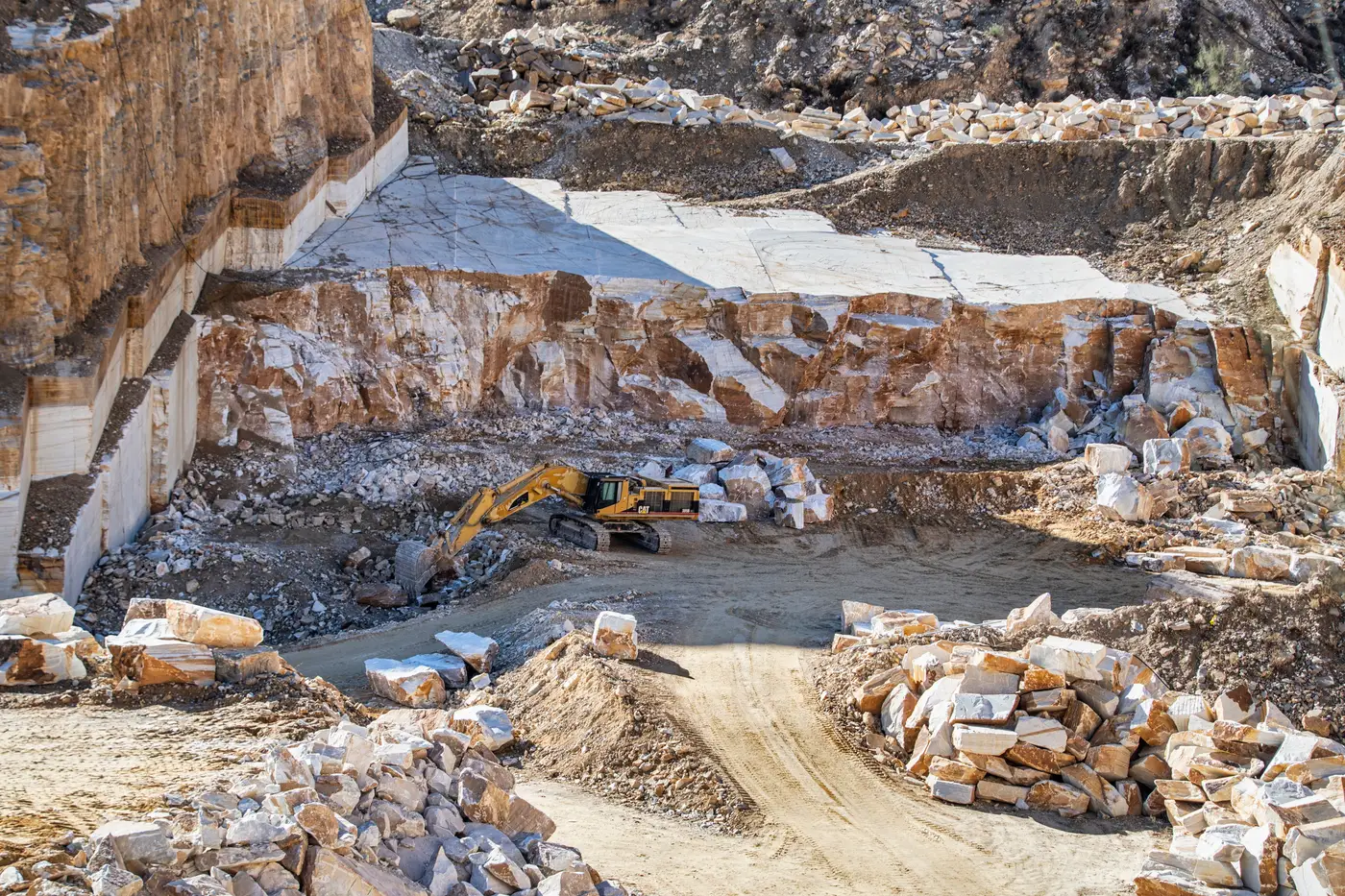
Every planning cycle, somebody pulls up the registration file and asks why the call list doesn't match it. A unit that shipped eight years ago sits near the top of the priority stack, while a twelve-year-old machine from the same dealer barely registers. The registration file tells you when a machine left the factory. A territory rep needs to know how hard it's been run since.
Build year tells you when, not how hard
A build-year record comes from the serial number or the original sale date. It's exact, it's in the DMS, and it never changes. That's also its limit: it records a manufacturing fact and nothing about how the machine has been run since.
Two machines built in the same quarter can sit at completely different points on their wear curve. One spent six years idle on a yard as a backup unit. The other ran double shifts on a quarry haul road from day one. Same build year, completely different rebuild timeline.
Build year also goes stale the moment a machine changes hands. Resale, inter-site transfers, a fleet getting redeployed to a harsher job after its first owner traded it in, none of that shows up in the original sale record. The paperwork still says "built 2017." What it doesn't say is that the unit spent the last three years on an aggregate site running near continuous duty, which is the thing that actually moves a parts order or a rebuild quote.
What a duty-read age estimate adds
An age estimate built from how hard a site runs its equipment gets closer to the number that matters: wear, not calendar time. That means reading site intensity, how hard a given location works its fleet, and tracking how that's trending quarter over quarter, not just snapshotting age once and filing it away. A machine on a site that's been running flat out for six quarters straight should rank differently than one on a site that's cut back. Build-year records can't tell you that. A duty proxy can.
Build-year data still earns its keep for warranty windows, parts compatibility, and anything tied to a serial number. For outreach priority, a rebuild or a parts spend tracks closer to how hard a machine has worked and how that work has been trending than to the date stamped on its data plate.
Putting both to work on a territory list
The planners who get the most out of outreach timing use build-year records to confirm what a machine is and estimated age, built from duty signals, to decide when to call on it. A territory list that ranks fleets by estimated age and duty trend, with those components shown rather than collapsed into one black-box score, lets a rep walk into a call knowing why a site is on the list, not just that it is. That's the difference between a rep who can explain the visit and one reading off a number nobody can back up.
If your current call list is sorted purely by build year or, worse, by drive-time from the branch, you're probably skipping sites that are closer to a rebuild than the map suggests and spending visits on fleets that just happen to be nearby. Service Opportunity Scoring builds that ranked list quarterly, by estimated age, duty proxy, and trend, with every score component visible instead of buried in a single index.
Build-year records stay useful for what they're built for. When it's time to pick which fleet to call this quarter, rank by duty: how hard a site has run its equipment and where that trend is heading, not by which machine has the oldest paperwork.
Worth a look if your territory list still runs on build-year sort order alone.